
0
Loading
Vehicles
-
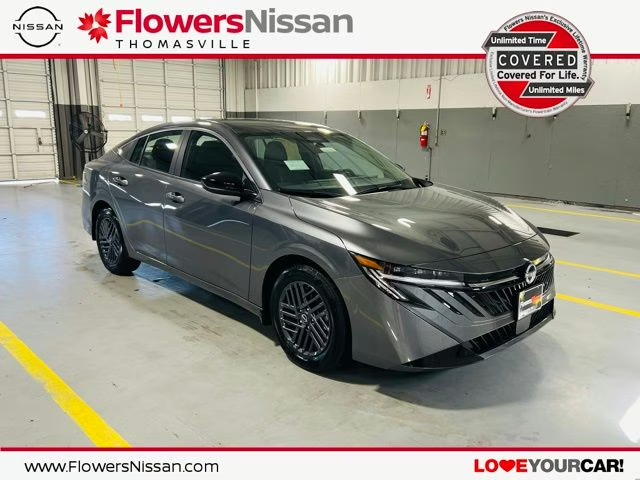
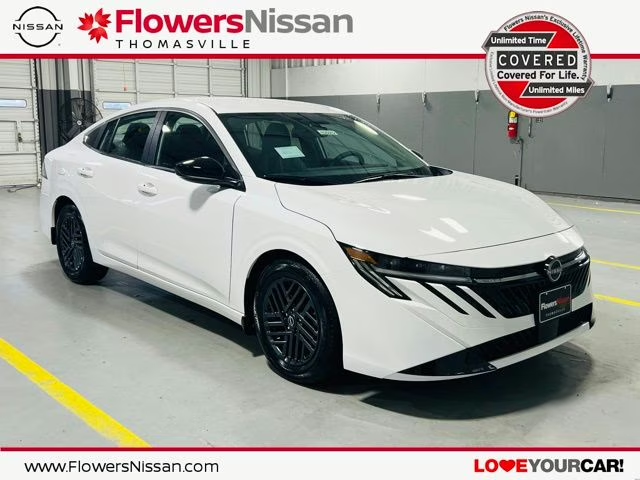
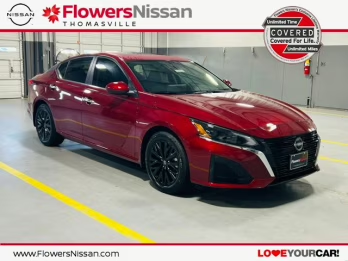
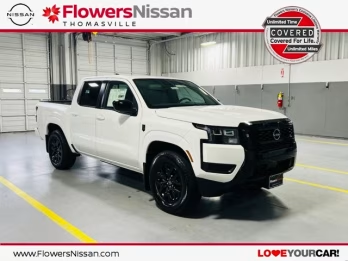
 $26,017 Your PriceDetailed PricingMSRP:$23,870Doc Fee:$899Electronic Filing Fee:$249Dealer Added Options (Protection Pack):$999Your Price:$26,017
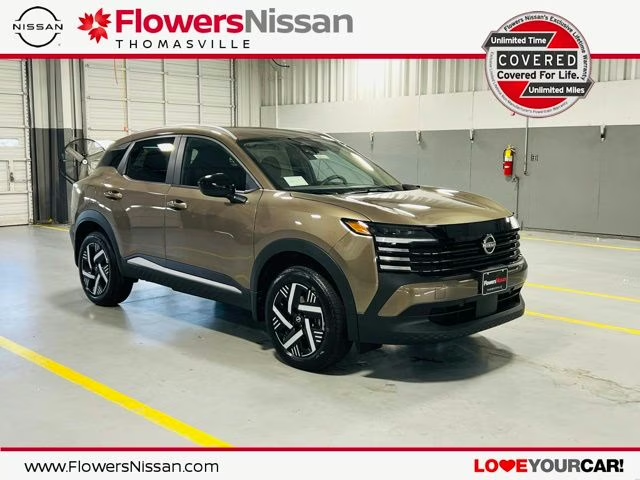
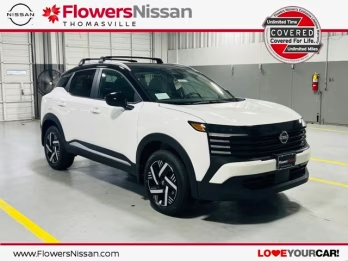
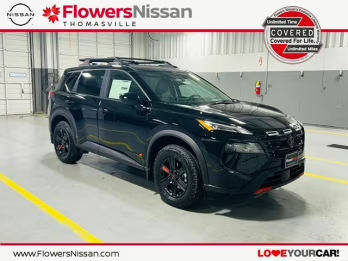
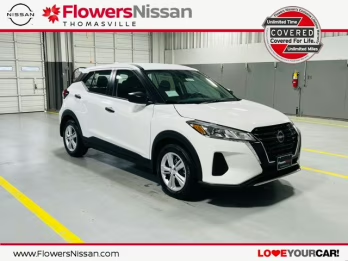
 $26,672 Your PriceDetailed PricingMSRP:$25,525Nissan Customer Cash$500MY26 Sentra SL SV and SR "Sentra Showdown" Customer Cash v1 - Southeast$500Doc Fee:$899Electronic Filing Fee:$249Dealer Added Options (Protection Pack):$999Your Price:$26,672Additional offers you may qualify for::Nissan Military Cash$500Nissan College Grad$500
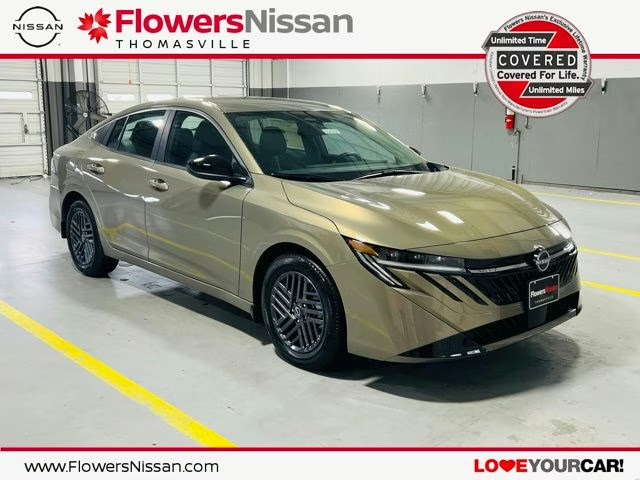
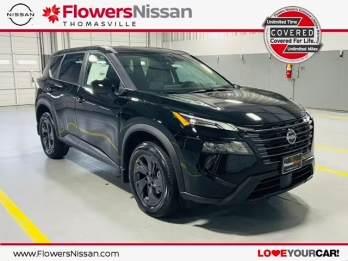
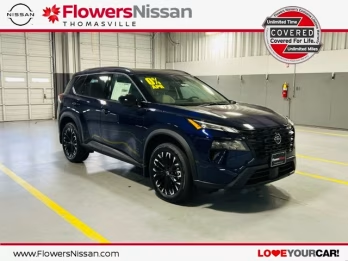
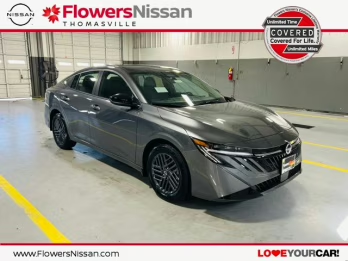
 $26,842 Your PriceDetailed PricingMSRP:$26,195Nissan Customer Cash$1,500Doc Fee:$899Electronic Filing Fee:$249Dealer Added Options (Protection Pack):$999Your Price:$26,842Additional offers you may qualify for::Nissan Military Cash$500Nissan College Grad$500
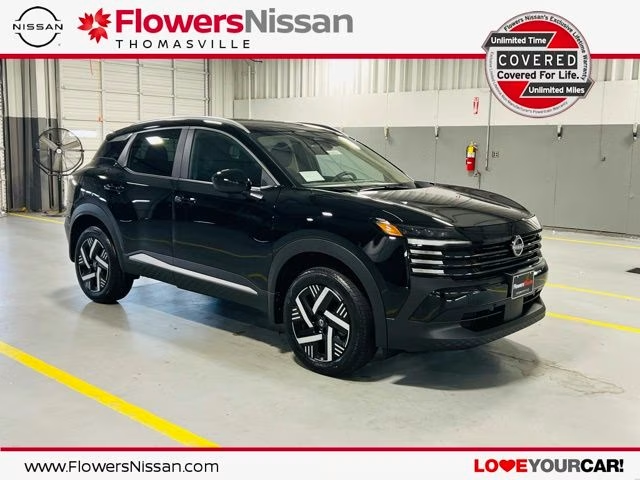
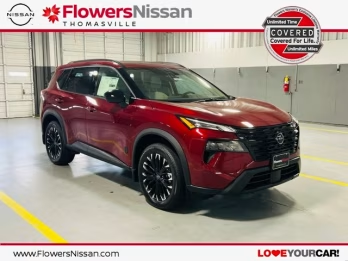
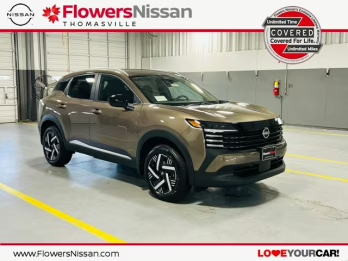
 $26,997 Your PriceDetailed PricingMSRP:$25,850Nissan Customer Cash$500MY26 Sentra SL SV and SR "Sentra Showdown" Customer Cash v1 - Southeast$500Doc Fee:$899Electronic Filing Fee:$249Dealer Added Options (Protection Pack):$999Your Price:$26,997Additional offers you may qualify for::Nissan Military Cash$500Nissan College Grad$500
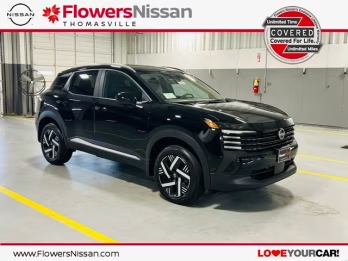 $27,142 Your PriceDetailed PricingMSRP:$26,495Nissan Customer Cash$1,500Doc Fee:$899Electronic Filing Fee:$249Dealer Added Options (Protection Pack):$999Your Price:$27,142Additional offers you may qualify for::Nissan Military Cash$500Nissan College Grad$500
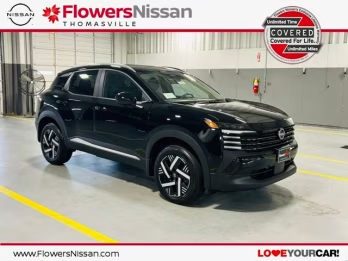 $27,142 Your PriceDetailed PricingMSRP:$26,495Nissan Customer Cash$1,500Doc Fee:$899Electronic Filing Fee:$249Dealer Added Options (Protection Pack):$999Your Price:$27,142Additional offers you may qualify for::Nissan Military Cash$500Nissan College Grad$500
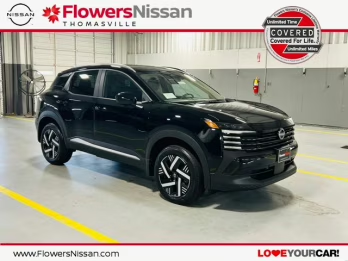 $27,192 Your PriceDetailed PricingMSRP:$26,545Nissan Customer Cash$1,500Doc Fee:$899Electronic Filing Fee:$249Dealer Added Options (Protection Pack):$999Your Price:$27,192Additional offers you may qualify for::Nissan Military Cash$500Nissan College Grad$500
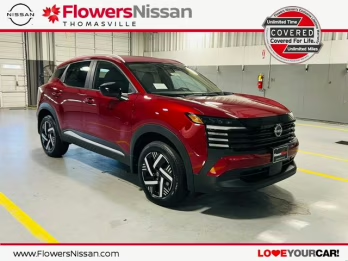 $27,292 Your PriceDetailed PricingMSRP:$26,645Nissan Customer Cash$1,500Doc Fee:$899Electronic Filing Fee:$249Dealer Added Options (Protection Pack):$999Your Price:$27,292Additional offers you may qualify for::Nissan Military Cash$500Nissan College Grad$500
 $27,412 Your PriceDetailed PricingMSRP:$26,265Nissan Customer Cash$500MY26 Sentra SL SV and SR "Sentra Showdown" Customer Cash v1 - Southeast$500Doc Fee:$899Electronic Filing Fee:$249Dealer Added Options (Protection Pack):$999Your Price:$27,412Additional offers you may qualify for::Nissan Military Cash$500Nissan College Grad$500
 $27,537 Your PriceDetailed PricingMSRP:$26,390Nissan Customer Cash$500MY26 Sentra SL SV and SR "Sentra Showdown" Customer Cash v1 - Southeast$500Doc Fee:$899Electronic Filing Fee:$249Dealer Added Options (Protection Pack):$999Your Price:$27,537Additional offers you may qualify for::Nissan Military Cash$500Nissan College Grad$500
 $27,862 Your PriceDetailed PricingMSRP:$26,715Nissan Customer Cash$500MY26 Sentra SL SV and SR "Sentra Showdown" Customer Cash v1 - Southeast$500Doc Fee:$899Electronic Filing Fee:$249Dealer Added Options (Protection Pack):$999Your Price:$27,862Additional offers you may qualify for::Nissan Military Cash$500Nissan College Grad$500
$28,112 Your PriceDetailed PricingMSRP:$26,965Nissan Customer Cash$500MY26 Sentra SL SV and SR "Sentra Showdown" Customer Cash v1 - Southeast$500Doc Fee:$899Electronic Filing Fee:$249Dealer Added Options (Protection Pack):$999Your Price:$28,112Additional offers you may qualify for::Nissan Military Cash$500Nissan College Grad$500
$28,392 Your PriceDetailed PricingMSRP:$27,245Nissan Customer Cash$500MY26 Sentra SL SV and SR "Sentra Showdown" Customer Cash v1 - Southeast$500Doc Fee:$899Electronic Filing Fee:$249Dealer Added Options (Protection Pack):$999Your Price:$28,392Additional offers you may qualify for::Nissan Military Cash$500Nissan College Grad$500
$28,907 Your PriceDetailed PricingMSRP:$28,260Nissan Customer Cash$1,500Doc Fee:$899Electronic Filing Fee:$249Dealer Added Options (Protection Pack):$999Your Price:$28,907Additional offers you may qualify for::Nissan Military Cash$500Nissan College Grad$500
$31,597 Your PriceDetailed PricingMSRP:$32,950Nissan Customer Cash$3,500Doc Fee:$899Electronic Filing Fee:$249Dealer Added Options (Protection Pack):$999Your Price:$31,597Additional offers you may qualify for::Nissan Military Cash$500Nissan College Grad$500
$31,597 Your PriceDetailed PricingMSRP:$32,950Nissan Customer Cash$3,500Doc Fee:$899Electronic Filing Fee:$249Dealer Added Options (Protection Pack):$999Your Price:$31,597Additional offers you may qualify for::Nissan Military Cash$500Nissan College Grad$500
$31,692 Your PriceDetailed PricingMSRP:$33,045Nissan Customer Cash$3,500Doc Fee:$899Electronic Filing Fee:$249Dealer Added Options (Protection Pack):$999Your Price:$31,692Additional offers you may qualify for::Nissan Military Cash$500Nissan College Grad$500
$31,792 Your PriceDetailed PricingMSRP:$33,145Nissan Customer Cash$3,500Doc Fee:$899Electronic Filing Fee:$249Dealer Added Options (Protection Pack):$999Your Price:$31,792Additional offers you may qualify for::Nissan Military Cash$500Nissan College Grad$500
$31,997 Your PriceDetailed PricingMSRP:$33,350Nissan Customer Cash$3,500Doc Fee:$899Electronic Filing Fee:$249Dealer Added Options (Protection Pack):$999Your Price:$31,997Additional offers you may qualify for::Nissan Military Cash$500Nissan College Grad$500
$32,047 Your PriceDetailed PricingMSRP:$33,400Nissan Customer Cash$3,500Doc Fee:$899Electronic Filing Fee:$249Dealer Added Options (Protection Pack):$999Your Price:$32,047Additional offers you may qualify for::Nissan Military Cash$500Nissan College Grad$500
$32,447 Your PriceDetailed PricingMSRP:$33,800Nissan Customer Cash$3,500Doc Fee:$899Electronic Filing Fee:$249Dealer Added Options (Protection Pack):$999Your Price:$32,447Additional offers you may qualify for::Nissan Military Cash$500Nissan College Grad$500
$32,447 Your PriceDetailed PricingMSRP:$33,800Nissan Customer Cash$3,500Doc Fee:$899Electronic Filing Fee:$249Dealer Added Options (Protection Pack):$999Your Price:$32,447Additional offers you may qualify for::Nissan Military Cash$500Nissan College Grad$500
$33,257 Your PriceDetailed PricingMSRP:$31,110Doc Fee:$899Electronic Filing Fee:$249Dealer Added Options (Protection Pack):$999Your Price:$33,257
$34,842 Your PriceDetailed PricingMSRP:$36,195Nissan Customer Cash$3,500Doc Fee:$899Electronic Filing Fee:$249Dealer Added Options (Protection Pack):$999Your Price:$34,842Additional offers you may qualify for::Nissan Military Cash$500Nissan College Grad$500
$35,327 Your PriceDetailed PricingMSRP:$36,680Nissan Customer Cash$3,500Doc Fee:$899Electronic Filing Fee:$249Dealer Added Options (Protection Pack):$999Your Price:$35,327Additional offers you may qualify for::Nissan Military Cash$500Nissan College Grad$500
$35,327 Your PriceDetailed PricingMSRP:$36,680Nissan Customer Cash$3,500Doc Fee:$899Electronic Filing Fee:$249Dealer Added Options (Protection Pack):$999Your Price:$35,327Additional offers you may qualify for::Nissan Military Cash$500Nissan College Grad$500
$35,777 Your PriceDetailed PricingMSRP:$37,130Nissan Customer Cash$3,500Doc Fee:$899Electronic Filing Fee:$249Dealer Added Options (Protection Pack):$999Your Price:$35,777Additional offers you may qualify for::Nissan Military Cash$500Nissan College Grad$500
$35,872 Your PriceDetailed PricingMSRP:$37,225Nissan Customer Cash$3,500Doc Fee:$899Electronic Filing Fee:$249Dealer Added Options (Protection Pack):$999Your Price:$35,872Additional offers you may qualify for::Nissan Military Cash$500Nissan College Grad$500
$36,987 Your PriceDetailed PricingMSRP:$38,340Nissan Customer Cash$3,500Doc Fee:$899Electronic Filing Fee:$249Dealer Added Options (Protection Pack):$999Your Price:$36,987Additional offers you may qualify for::Nissan Military Cash$500Nissan College Grad$500
$38,032 Your PriceDetailed PricingMSRP:$40,385Nissan Customer Cash$4,500Doc Fee:$899Electronic Filing Fee:$249Dealer Added Options (Protection Pack):$999Your Price:$38,032Additional offers you may qualify for::Nissan Military Cash$500Nissan College Grad$500
$27,862 Your PriceDetailed PricingMSRP:$26,715Nissan Customer Cash$500MY26 Sentra SL SV and SR "Sentra Showdown" Customer Cash v1 - Southeast$500Doc Fee:$899Electronic Filing Fee:$249Dealer Added Options (Protection Pack):$999Your Price:$27,862Additional offers you may qualify for::Nissan Military Cash$500Nissan College Grad$500
$28,112 Your PriceDetailed PricingMSRP:$26,965Nissan Customer Cash$500MY26 Sentra SL SV and SR "Sentra Showdown" Customer Cash v1 - Southeast$500Doc Fee:$899Electronic Filing Fee:$249Dealer Added Options (Protection Pack):$999Your Price:$28,112Additional offers you may qualify for::Nissan Military Cash$500Nissan College Grad$500
$28,392 Your PriceDetailed PricingMSRP:$27,245Nissan Customer Cash$500MY26 Sentra SL SV and SR "Sentra Showdown" Customer Cash v1 - Southeast$500Doc Fee:$899Electronic Filing Fee:$249Dealer Added Options (Protection Pack):$999Your Price:$28,392Additional offers you may qualify for::Nissan Military Cash$500Nissan College Grad$500
$28,907 Your PriceDetailed PricingMSRP:$28,260Nissan Customer Cash$1,500Doc Fee:$899Electronic Filing Fee:$249Dealer Added Options (Protection Pack):$999Your Price:$28,907Additional offers you may qualify for::Nissan Military Cash$500Nissan College Grad$500
$31,597 Your PriceDetailed PricingMSRP:$32,950Nissan Customer Cash$3,500Doc Fee:$899Electronic Filing Fee:$249Dealer Added Options (Protection Pack):$999Your Price:$31,597Additional offers you may qualify for::Nissan Military Cash$500Nissan College Grad$500
$31,597 Your PriceDetailed PricingMSRP:$32,950Nissan Customer Cash$3,500Doc Fee:$899Electronic Filing Fee:$249Dealer Added Options (Protection Pack):$999Your Price:$31,597Additional offers you may qualify for::Nissan Military Cash$500Nissan College Grad$500
$31,692 Your PriceDetailed PricingMSRP:$33,045Nissan Customer Cash$3,500Doc Fee:$899Electronic Filing Fee:$249Dealer Added Options (Protection Pack):$999Your Price:$31,692Additional offers you may qualify for::Nissan Military Cash$500Nissan College Grad$500
$31,792 Your PriceDetailed PricingMSRP:$33,145Nissan Customer Cash$3,500Doc Fee:$899Electronic Filing Fee:$249Dealer Added Options (Protection Pack):$999Your Price:$31,792Additional offers you may qualify for::Nissan Military Cash$500Nissan College Grad$500
$31,997 Your PriceDetailed PricingMSRP:$33,350Nissan Customer Cash$3,500Doc Fee:$899Electronic Filing Fee:$249Dealer Added Options (Protection Pack):$999Your Price:$31,997Additional offers you may qualify for::Nissan Military Cash$500Nissan College Grad$500
$32,047 Your PriceDetailed PricingMSRP:$33,400Nissan Customer Cash$3,500Doc Fee:$899Electronic Filing Fee:$249Dealer Added Options (Protection Pack):$999Your Price:$32,047Additional offers you may qualify for::Nissan Military Cash$500Nissan College Grad$500
$32,447 Your PriceDetailed PricingMSRP:$33,800Nissan Customer Cash$3,500Doc Fee:$899Electronic Filing Fee:$249Dealer Added Options (Protection Pack):$999Your Price:$32,447Additional offers you may qualify for::Nissan Military Cash$500Nissan College Grad$500
$32,447 Your PriceDetailed PricingMSRP:$33,800Nissan Customer Cash$3,500Doc Fee:$899Electronic Filing Fee:$249Dealer Added Options (Protection Pack):$999Your Price:$32,447Additional offers you may qualify for::Nissan Military Cash$500Nissan College Grad$500
$33,257 Your PriceDetailed PricingMSRP:$31,110Doc Fee:$899Electronic Filing Fee:$249Dealer Added Options (Protection Pack):$999Your Price:$33,257
$34,842 Your PriceDetailed PricingMSRP:$36,195Nissan Customer Cash$3,500Doc Fee:$899Electronic Filing Fee:$249Dealer Added Options (Protection Pack):$999Your Price:$34,842Additional offers you may qualify for::Nissan Military Cash$500Nissan College Grad$500
$35,327 Your PriceDetailed PricingMSRP:$36,680Nissan Customer Cash$3,500Doc Fee:$899Electronic Filing Fee:$249Dealer Added Options (Protection Pack):$999Your Price:$35,327Additional offers you may qualify for::Nissan Military Cash$500Nissan College Grad$500
$35,327 Your PriceDetailed PricingMSRP:$36,680Nissan Customer Cash$3,500Doc Fee:$899Electronic Filing Fee:$249Dealer Added Options (Protection Pack):$999Your Price:$35,327Additional offers you may qualify for::Nissan Military Cash$500Nissan College Grad$500
$35,777 Your PriceDetailed PricingMSRP:$37,130Nissan Customer Cash$3,500Doc Fee:$899Electronic Filing Fee:$249Dealer Added Options (Protection Pack):$999Your Price:$35,777Additional offers you may qualify for::Nissan Military Cash$500Nissan College Grad$500
$35,872 Your PriceDetailed PricingMSRP:$37,225Nissan Customer Cash$3,500Doc Fee:$899Electronic Filing Fee:$249Dealer Added Options (Protection Pack):$999Your Price:$35,872Additional offers you may qualify for::Nissan Military Cash$500Nissan College Grad$500
$36,987 Your PriceDetailed PricingMSRP:$38,340Nissan Customer Cash$3,500Doc Fee:$899Electronic Filing Fee:$249Dealer Added Options (Protection Pack):$999Your Price:$36,987Additional offers you may qualify for::Nissan Military Cash$500Nissan College Grad$500
$38,032 Your PriceDetailed PricingMSRP:$40,385Nissan Customer Cash$4,500Doc Fee:$899Electronic Filing Fee:$249Dealer Added Options (Protection Pack):$999Your Price:$38,032Additional offers you may qualify for::Nissan Military Cash$500Nissan College Grad$500Unfortunately, we couldn't find any matching vehicles. We have plenty of other vehicles to choose from.
Shop New Inventory Shop Pre-Owned Inventory Homepage Dealer FAQsDo I need an appointment to shop at Flowers Nissan?Stopping by whenever you have some free time to shop is highly encouraged, and our doors are always open to our friends in Thomasville. If your schedule is fit to burst with other upcoming events, an appointment is also a smart idea. Reserving some one-on-one time with one of our friendly experts guarantees that you get the most out of your valuable time spent perusing our copious inventory.
Can I set up price drop alerts for vehicles that interest me?You sure can, and it's amazingly simple and easy to use this complimentary tool on our website. While you're on the vehicle description page of the automobile that piques your interest, just click on the bell icon. After doing this, we'll let you know immediately the next time we lower this car, truck, or SUV's price so that you can take advantage of this great deal. It's a superbly convenient way to automatically save even more on your next vehicle purchase.
What do I need to bring with me when I come to Flowers Nissan?Your valuable time is important to both you and our team, so we've streamlined the car buying and loan process significantly. All you need to bring with you to drive home in your dream vehicle are the following items and we will handle the rest:
- Your Social Security number
- A valid driver's license
- Home ownership or renter's documents
- Pay stub or other employment verification info
- Relevant documentation for co-applicant and/or cosigner (if applicable)
Does Flowers Nissan accept trade-in vehicles?Yes. We would love to purchase your trade-in vehicle today. Our staff takes immense pride in providing the best prices possible on trade-in vehicles, so come see for yourself why so many other savvy shoppers turn to us first when the time comes to maximize the value of their old vehicle and upgrade into a brighter automotive future.
Should I trade my car in at Flowers Nissan or sell it myself?Trading in your car at Flowers Nissan is significantly easier and substantially more rewarding than selling it on your own if you're a car shopper who places a high priority on convenience, value, and time well spent. To maximize the return on your old car, all you have to do is connect with our team of knowledgeable and friendly used car specialists by calling (229) 516-4706 and we will get to work immediately on providing you with an outstanding estimate that delivers a truly impressive amount of value to you.
After accepting your optimized and personalized trade-in quote, you can turn your attention right away to where the real fun begins: Shopping for the right high-quality and affordable used car, truck, or SUV to park in your front driveway.
* Pricing - All vehicle pricing shown is assumed to be correct and accurate. Incentives, credit restrictions, qualifying programs, residency, and fees may raise, lower, or otherwise augment monthly payments. Additionally, incentives offered by the manufacturer are subject to change and may fluctuate or differ based on region and other considerations. Unless otherwise noted or specified, pricing shown does not include title, registration, or tax fees, dealer added options and costs.
* MPG - Vehicle information, as well as features and other inclusions, may vary by model and are based exclusively on standard equipment. No claims, warranties, or guarantees have been made related to the accuracy of customer payments, model equipment, or vehicle pricing. Please call with any questions you might have and to reassert the accuracy of any information presented here.